English
 Arabic
 French
 Spanish
 Portuguese
 Deutsch
 Turkish
 Dutch
Dutch
 Italiano
 Russian
 Romaian
 Portuguese (Brazil)
 Greek
Greek
 Download Android App

Agricultural Coatings Market Advances Through Smarter Crop Care
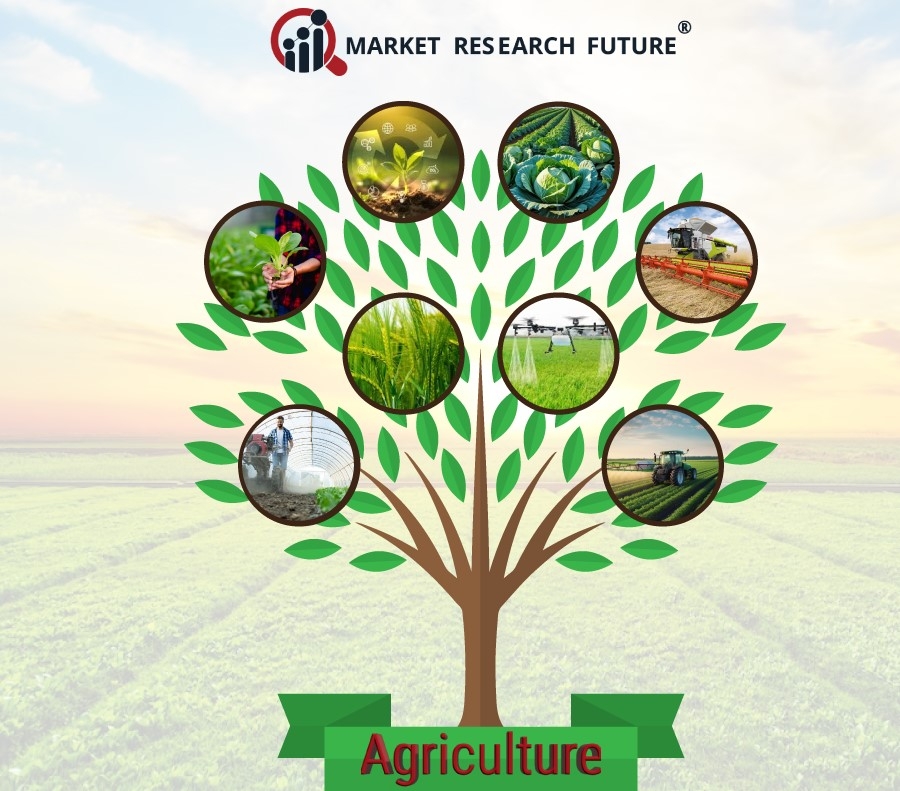
Agricultural Coatings Market is gaining importance as farmers and agricultural businesses adopt technologies designed to improve crop-management efficiency and optimize the use of farming inputs. Coating solutions can be applied to seeds and other agricultural materials to provide functional characteristics that support planting, protection, and crop development. Growing interest in precision farming is encouraging producers to consider technologies that enable more controlled and targeted agricultural practices. Coatings can also contribute to improved seed handling and treatment uniformity, which are important for mechanized planting systems. As agricultural operations become increasingly automated and technology-driven, coating solutions are becoming an increasingly relevant component of modern crop production strategies.
An important development area is precision seed treatment, which focuses on applying agricultural materials consistently and efficiently to planting materials. **precision seed treatment** This approach can support the controlled use of crop-protection products, nutrients, biological agents, and other functional materials. Improved coating equipment can provide more consistent application while reducing variations between treated seeds. Such consistency can be valuable for commercial seed processors and agricultural producers managing large-scale planting operations. As precision agriculture continues to influence farming practices, seed treatment technologies that improve application control can become increasingly important. Agricultural coatings can therefore contribute to a broader shift toward more accurate and resource-conscious crop management.
Seed quality and planting efficiency are closely connected with coating performance. A well-designed coating can improve seed flow and handling, helping seeds move more consistently through modern planting equipment. This can be especially relevant for mechanized operations where uniform seed placement is an important objective. Coatings may also provide a suitable carrier for functional agricultural materials while maintaining the physical characteristics required for planting. Manufacturers are investing in research to improve adhesion, durability, uniformity, and compatibility with different seed varieties. These developments can help create coating systems that are better suited to the operational requirements of contemporary agricultural machinery.
Crop protection remains another important application area. Agricultural coatings can serve as a means of delivering protective materials directly to seeds, potentially helping safeguard planting materials during critical early stages. This targeted approach can support more efficient use of selected crop-protection inputs compared with broader application methods. Biological solutions are also attracting increasing interest, creating opportunities for coatings that incorporate beneficial microorganisms or other biological components. The development of such solutions reflects the agricultural sector's growing interest in integrated crop management. Coating technologies can provide a practical platform for delivering these materials while maintaining compatibility with modern seed-processing systems.
Sustainability is increasingly influencing product development and agricultural purchasing decisions. Producers are looking for technologies that can help reduce unnecessary input use while maintaining effective crop-management practices. Agricultural coatings can support these objectives by enabling targeted treatment and potentially improving the efficiency of applied materials. Manufacturers are also exploring coating materials with improved environmental profiles, including formulations designed to break down more effectively after application. Sustainable product development can help address concerns surrounding agricultural residues and environmental impact. As sustainability becomes more important throughout the agricultural supply chain, coating technologies that combine performance with environmental responsibility may gain greater acceptance.
Automation is transforming agricultural coating operations as processors seek consistent output and improved production efficiency. Automated coating systems can regulate material application, mixing, drying, and other stages of the treatment process. Digital controls may help operators monitor production parameters and maintain quality standards. Automation can also support large-scale seed processing by reducing manual intervention and improving repeatability. As demand for high-quality treated seeds increases, efficient coating infrastructure can provide advantages for seed companies and agricultural suppliers. Continued improvements in automation, sensors, and process controls are likely to strengthen the technological capabilities of agricultural coating operations.
The future of the Agricultural Coatings Market will depend on the continued integration of precision agriculture, automation, biological solutions, and sustainable material development. Producers and seed processors are likely to seek coating technologies that provide consistent performance while supporting efficient resource use. Manufacturers that can combine advanced formulations with reliable application equipment may be well positioned to address evolving agricultural requirements. Continued research into biological coatings, environmentally responsible materials, and controlled delivery systems can expand the technology's applications. As agricultural production becomes more precise and technology-driven, agricultural coatings can play a valuable role in improving seed treatment, planting efficiency, and overall crop-management practices.
Frequently Asked Questions
Q1. What is precision seed treatment?
Ans: Precision seed treatment involves applying selected agricultural materials to seeds in a controlled and consistent manner to support efficient crop management.
Q2. Can agricultural coatings support crop protection?
Ans: Yes. Certain coatings can act as carriers for protective materials applied directly to seeds.
Q3. Why is automation important in coating operations?
Ans: Automation can improve consistency, process control, production efficiency, and repeatability during large-scale coating operations.