English
 Arabic
 French
 Spanish
 Portuguese
 Deutsch
 Turkish
 Dutch
Dutch
 Italiano
 Russian
 Romaian
 Portuguese (Brazil)
 Greek
Greek
Comprehensive Guide to South Korea Hydrocolloids Market: Investment Opportunities, Demand Drivers, and Regional Insights
Food |
2026-01-12 20:16:34
 Download Android App
Смотреть все
Download Android App
Смотреть все

Обновить до Про
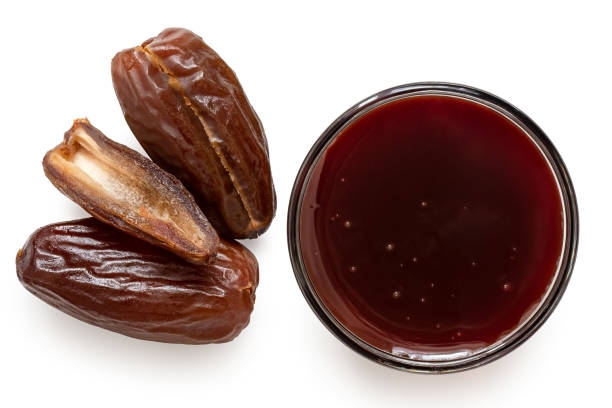
solutions for animal nutrition, agriculture, and industrial applications. Dry molasse is derived from molasses through a drying process that transforms it into a stable and convenient ingredient with extended usability. It is widely utilized in livestock feed, fermentation processes, and agricultural applications due to its nutritional characteristics and functional benefits. The growing focus on sustainable agricultural practices, improved animal nutrition, and efficient resource utilization is encouraging manufacturers and suppliers to expand the availability and applications of dry molasse across different sectors.
The Dry Molasse Market is developing with rising adoption of livestock feed nutritional additives that support improved feed formulations and animal nutrition strategies. Livestock feed nutritional additives help enhance the nutritional value, palatability, and efficiency of animal feed products. Dry molasse is increasingly incorporated into feed solutions because it provides energy content and improves feed handling characteristics. The increasing demand for high-quality animal feed products is encouraging manufacturers to develop advanced formulations that utilize natural ingredients and support better livestock management practices.
The animal feed industry is one of the major areas contributing to the increasing utilization of dry molasse. Livestock producers are focusing on improving feed quality to support animal growth, health, and productivity. Dry molasse provides advantages such as improved taste, better feed consistency, and easier storage compared with liquid alternatives. These characteristics make it an attractive ingredient for feed manufacturers seeking practical and efficient solutions for modern livestock production systems.
The growing importance of sustainable agriculture is also influencing the demand for dry molasse products. Farmers and agricultural businesses are exploring ingredients that support efficient resource utilization and environmentally responsible practices. Dry molasse helps create value from sugar processing by-products while reducing waste generation. This approach aligns with sustainability goals across the agricultural sector and encourages greater adoption of renewable agricultural resources.
Food and fermentation industries are also exploring the applications of dry molasse due to its functional properties. It can serve as a valuable ingredient in fermentation processes where natural sugars and nutrients are required. The increasing demand for bio-based products and industrial fermentation solutions is creating additional opportunities for dry molasse suppliers. Companies are investing in improved processing methods to enhance product quality and expand application possibilities.
Technological improvements in drying and processing techniques are supporting the development of high-quality dry molasse products. Advanced manufacturing processes help maintain nutritional characteristics while improving product stability and transportation efficiency. These improvements allow suppliers to serve wider markets and meet the requirements of different industries. Better processing capabilities are expected to strengthen the position of dry molasse as a versatile agricultural ingredient.
The future of the Dry Molasse Market will be influenced by sustainable farming practices, increasing demand for animal nutrition solutions, and expanding industrial applications. Manufacturers are expected to focus on improving product quality, developing innovative formulations, and exploring new uses across agriculture and food industries. As industries continue seeking natural and efficient ingredients, dry molasse will remain an important component supporting sustainable production systems.
Q1. What is dry molasse used for?
Ans: Dry molasse is mainly used in animal feed, agriculture, and industrial fermentation applications.
Q2. Why is dry molasse preferred in livestock feed?
Ans: It improves feed palatability, provides nutritional value, and supports better feed formulation.
Q3. How does dry molasse support sustainability?
Ans: It helps utilize agricultural by-products efficiently and reduces processing waste.