English
 Arabic
 French
 Spanish
 Portuguese
 Deutsch
 Turkish
 Dutch
Dutch
 Italiano
 Russian
 Romaian
 Portuguese (Brazil)
 Greek
Greek
 Download Android App

Haptic Motors Market: Emerging Trends, Key Drivers, Opportunities & Future Outlook
Other |
2026-08-28 08:54:48
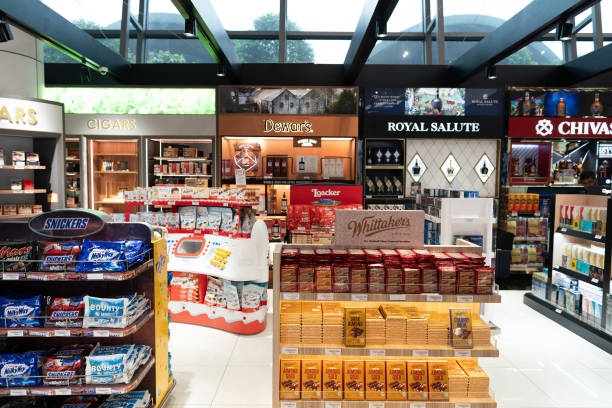
As per Market Research Future analysis, the Duty-Free Retailing Market was estimated at 99.1 USD Billion in 2024. The Duty-Free Retailing industry is projected to grow from 103.03 USD Billion in 2025 to 151.95 USD Billion by 2035, exhibiting a compound annual growth rate (CAGR) of 3.96% during the forecast period 2025 - 2035.
The increasing international travel activities, expanding tourism industry, and rising consumer interest in premium shopping experiences are significantly influencing the growth of the global duty-free retailing industry. Duty-free retail stores have become an important part of airports, seaports, border crossings, and major travel destinations by offering a wide variety of products at competitive prices. The sector benefits from growing passenger traffic and increasing demand for luxury goods, cosmetics, fragrances, electronics, and specialty products. The rising adoption of airport duty free shopping is encouraging retailers to enhance customer experiences and expand their product portfolios.
The recovery and expansion of international tourism are among the major factors supporting duty-free retail market development. As more travelers explore international destinations for business and leisure purposes, demand for travel retail products continues to increase. Airports and transportation hubs are investing in advanced retail environments to provide convenient and attractive shopping experiences for passengers.
The growing popularity of luxury and premium products is also contributing to market growth. Travelers often purchase high-end cosmetics, perfumes, fashion accessories, watches, and beverages through duty-free channels because of exclusive offers and attractive pricing. Retailers are focusing on partnerships with global brands to provide diverse product selections.
The transformation of airport infrastructure is creating additional opportunities for duty-free retailers. Modern airports are developing larger retail areas, improved customer facilities, and personalized shopping environments. These developments are helping increase passenger engagement and encourage higher spending during travel journeys.
Digital technology is becoming an important factor in improving duty-free shopping experiences. Retailers are adopting online pre-order services, mobile applications, digital payment systems, and personalized recommendations. These technologies allow travelers to browse products before arrival and complete purchases more conveniently.
Changing consumer preferences are influencing product strategies within the duty-free sector. Travelers are increasingly interested in sustainable products, exclusive collections, and unique shopping experiences. Retailers are responding by introducing environmentally responsible brands and customized product offerings.
The expansion of e-commerce and omnichannel retail models is further transforming the industry. Many duty-free operators are integrating online platforms with physical stores to provide customers with flexible shopping options. This approach helps retailers maintain engagement with travelers before, during, and after their journeys.
Regional growth patterns are influenced by tourism activity, airport development, and consumer spending behavior. Popular travel destinations continue to generate strong demand, while emerging regions are investing in transportation infrastructure to capture new opportunities.
The future outlook of the duty-free retailing industry remains positive due to increasing global mobility, premium product demand, and technological advancements. Companies focusing on customer experience, digital innovation, and strategic partnerships are expected to benefit from future market opportunities.
Q1. What factors are driving the Duty-Free Retailing Market growth?
Ans: International travel growth, tourism expansion, premium product demand, and digital retail solutions are driving market growth.
Q2. Where are duty-free retail stores commonly located?
Ans: Duty-free stores are commonly located at airports, seaports, border crossings, and international travel hubs.
Q3. Why do travelers prefer duty-free shopping?
Ans: Travelers prefer duty-free shopping due to exclusive products, attractive pricing, and convenient travel locations.
| Golf Tourism Market |
| Sustainable Tourism Market |
| Gift Cards Market |
| Hammock Market |
| Backpack Market |