English
 Arabic
 French
 Spanish
 Portuguese
 Deutsch
 Turkish
 Dutch
Dutch
 Italiano
 Russian
 Romaian
 Portuguese (Brazil)
 Greek
Greek
 Download Android App

Drinking Fountains Market Outlook Highlights Sustainable Trends
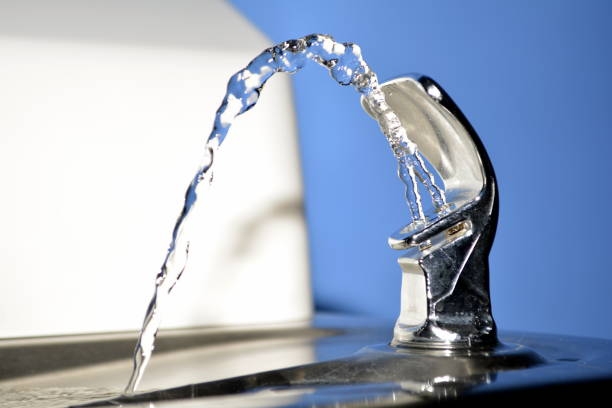
Drinking Fountains Market is gaining attention as organizations increasingly connect hydration infrastructure with sustainability, public wellness, and responsible resource management. Schools, workplaces, municipalities, recreation centers, transportation facilities, and commercial properties are evaluating ways to provide convenient drinking water while supporting environmental objectives. Modern fountains can include bottle-filling functions, filtration technologies, touch-free controls, and efficient water delivery mechanisms. These capabilities can improve convenience while encouraging reusable water container habits. As sustainability becomes a more important consideration in facility development, drinking fountains are increasingly viewed as part of broader initiatives designed to reduce waste and improve access to essential public amenities.
The expansion of sustainable hydration infrastructure reflects growing efforts to make water access more environmentally responsible. **sustainable hydration infrastructure** Bottle-filling stations can support reusable container practices by providing convenient refill points in public and private spaces. Organizations may also consider durable products that have longer operating lifecycles and require manageable maintenance. Water-efficient components can contribute to responsible resource use, while filtration options can improve water delivery in suitable installations. These developments are encouraging facility managers to consider hydration equipment as part of their environmental planning rather than treating it solely as a basic utility fixture.
Single-use packaging reduction is one factor supporting interest in reusable hydration solutions. When people have convenient access to drinking water, they may be more likely to carry and refill reusable bottles throughout the day. Schools, universities, workplaces, fitness centers, and public venues can install bottle-filling equipment in locations where users regularly need hydration. This approach can improve convenience while aligning with waste-reduction initiatives. Facility operators can also use signage and educational programs to encourage responsible use. The combination of accessible water infrastructure and behavioral awareness can help organizations build stronger sustainability practices around everyday hydration.
Water conservation and operational efficiency are also relevant considerations. Modern drinking fountains can incorporate controls designed to deliver water more effectively, while sensors can help manage operation in high-traffic environments. Facility managers may also use monitoring systems to understand equipment utilization and identify maintenance needs. Proper maintenance can help prevent leaks and unnecessary water loss. Efficient system operation can contribute to better resource management over the product lifecycle. Manufacturers that focus on reliable components and practical serviceability can provide solutions that support both user convenience and the operational priorities of organizations seeking more responsible facility management.
Public wellness is another factor contributing to the importance of accessible drinking water. Easy access to hydration can support everyday wellness habits in workplaces, educational institutions, recreation areas, and public facilities. Organizations can integrate hydration stations into spaces where people spend significant amounts of time. Attractive and convenient designs can make these facilities more approachable and easier to use. Accessibility considerations can further ensure that hydration infrastructure serves a broad range of users. This combination of wellness, convenience, and sustainability can strengthen the role of modern drinking fountains in facility planning and community infrastructure.
Manufacturers are also exploring materials and construction methods that support longer product lifecycles. Durable equipment can reduce the need for frequent replacement, potentially lowering resource consumption associated with manufacturing and installation. Serviceable components can make repairs and maintenance more practical. Product design can therefore influence sustainability beyond water consumption alone. Organizations may increasingly evaluate equipment according to durability, maintenance requirements, operational efficiency, and compatibility with sustainability programs. Companies that communicate these lifecycle benefits clearly can strengthen their appeal to environmentally conscious customers and institutions seeking practical ways to improve facility sustainability.
The future of the Drinking Fountains Market is likely to be influenced by sustainable facility planning, reusable hydration habits, efficient operation, public wellness, and durable product design. Manufacturers can capitalize on these trends by developing systems that combine convenient water access with responsible resource use. Bottle-filling capabilities, smart controls, filtration, and accessible configurations can increase product versatility across different environments. Facility operators are likely to continue evaluating hydration systems based on both user experience and long-term operational considerations. As sustainability becomes increasingly integrated into public and commercial infrastructure, modern drinking fountains can play a meaningful role in supporting convenient, inclusive, and environmentally conscious water access.
Frequently Asked Questions
Q1. How can drinking fountains support sustainability?
Ans: They can provide convenient drinking water, encourage reusable containers, and incorporate efficient technologies that support responsible facility management.
Q2. Why are bottle-filling stations useful in public spaces?
Ans: They allow users to conveniently refill reusable bottles, supporting hydration and potentially reducing reliance on single-use beverage containers.
Q3. Can durable construction contribute to sustainability?
Ans: Yes. Longer-lasting equipment can reduce the frequency of replacement and support more efficient use of materials over the product lifecycle.