English
 Arabic
 French
 Spanish
 Portuguese
 Deutsch
 Turkish
 Dutch
Dutch
 Italiano
 Russian
 Romaian
 Portuguese (Brazil)
 Greek
Greek
 Download Android App

Wearable Sensor Market Poised for Strong Growth as AI-Powered Health Monitoring Accelerates
Networking |
2026-07-24 06:12:27
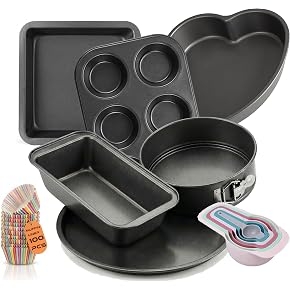
Europe Bakeware Market is undergoing product innovation as manufacturers respond to changing baking habits, modern kitchen designs, and increasing consumer interest in convenient food preparation. Innovation is appearing across materials, shapes, coatings, functionality, storage, and product presentation. Consumers are exploring new recipes and baking techniques, creating demand for products that support different culinary applications. At the same time, busy lifestyles are encouraging interest in kitchenware that simplifies preparation and cleaning. Manufacturers are combining practical features with contemporary aesthetics to create products suitable for modern households. These developments are helping expand the variety of bakeware available across European retail channels while supporting the changing expectations of consumers.
The rising interest in innovative bakeware solutions for modern kitchens is encouraging companies to explore new approaches to product development. Manufacturers are evaluating how material characteristics, product geometry, handling features, and storage requirements can improve the baking experience. Consumers increasingly expect kitchen products to be easy to use and maintain while providing dependable results. Innovation is therefore focused not only on appearance but also on practical performance. Products designed for multiple recipes or cooking methods can provide additional value to consumers. These developments are helping bakeware evolve from basic kitchen equipment into more specialized and thoughtfully designed culinary products.
Silicone-based products have gained attention for their flexibility, lightweight construction, and convenient handling characteristics. Such products can be useful for molds, trays, baking forms, and other applications where flexibility supports easier food removal. Other materials, including metal, glass, and ceramic, continue to serve different consumer preferences and cooking requirements. Manufacturers are exploring combinations of materials and design features to improve usability. Material selection can influence heat behavior, maintenance, storage, appearance, and product longevity. As consumers become more knowledgeable about kitchen products, manufacturers need to communicate these differences clearly. Material innovation will continue to influence competition as companies seek to deliver differentiated products.
Product specialization is also contributing to innovation. Consumers can find bakeware designed for particular recipes, shapes, occasions, and cooking styles. Specialty molds and baking forms can encourage experimentation with different desserts, breads, pastries, and decorative creations. Seasonal products can also attract consumers who enjoy preparing themed foods for celebrations. Online recipe communities and visual cooking content have increased awareness of specialized baking techniques. Manufacturers can use these trends to introduce products that correspond with popular recipes and emerging culinary interests. This relationship between recipe culture and product development is helping create a more dynamic bakeware category across European markets.
Storage and kitchen-space efficiency are becoming increasingly relevant to product design. Many European households operate within kitchens where storage space needs to be used carefully. Stackable, compact, nesting, or multifunctional products can help consumers manage their kitchen equipment more effectively. Manufacturers are therefore considering storage convenience alongside baking performance. Products that can be easily organized may appeal to consumers who value practical kitchen layouts. Retailers can also highlight storage features when presenting products online or in physical stores. The combination of functionality and space efficiency is encouraging manufacturers to consider the complete product lifecycle, from purchase and use to cleaning and storage.
Sustainability is another area influencing product innovation. Consumers may increasingly consider the longevity of products, material choices, packaging, and overall usability when making purchasing decisions. Reusable bakeware can support repeated food preparation and reduce reliance on disposable alternatives. Manufacturers can also explore packaging designs that use materials efficiently while protecting products during transportation and retail handling. Durable construction can contribute to longer product lifecycles and potentially reduce the frequency of replacement. Sustainability is becoming increasingly connected with product quality and responsible consumption, encouraging businesses to consider environmental factors alongside functionality and aesthetics.
Digital commerce is accelerating the visibility of innovative bakeware products. Online marketplaces allow manufacturers and retailers to present detailed specifications, product demonstrations, recipe ideas, customer reviews, and usage guidance. Visual content can be particularly effective for bakeware because consumers can see how different shapes and designs work in practical applications. Social media creators and cooking communities can further influence product discovery by demonstrating recipes and techniques. This digital environment provides opportunities for brands to introduce specialized products to targeted audiences across different European markets. As online shopping continues evolving, digital content will remain important for communicating product innovation and educating consumers.
The future of the Europe Bakeware Market will be shaped by material innovation, specialized designs, storage efficiency, sustainability, digital commerce, and changing culinary interests. Manufacturers that successfully combine functionality, durability, convenience, and aesthetics can respond effectively to modern consumer expectations. New baking trends will continue encouraging product experimentation, while online platforms can accelerate awareness of innovative formats. Sustainability considerations may also influence future product and packaging development. As European households continue adapting their cooking and baking practices, innovation will remain a key factor supporting product differentiation and long-term development within the bakeware sector.
Q1. What is driving bakeware innovation?
Ans: Changing baking habits, convenience requirements, material development, product specialization, sustainability, and modern kitchen needs are encouraging innovation.
Q2. Why are specialized bakeware products becoming popular?
Ans: They help consumers prepare specific recipes, shapes, desserts, breads, and themed foods while encouraging experimentation.
Q3. How does digital commerce support product innovation?
Ans: Online platforms allow brands to demonstrate products, provide detailed information, showcase recipes, and reach specialized consumer audiences.