English
 Arabic
 French
 Spanish
 Portuguese
 Deutsch
 Turkish
 Dutch
Dutch
 Italiano
 Russian
 Romaian
 Portuguese (Brazil)
 Greek
Greek
 Download Android App

A2P SMS Market Size and Forecast (2026–2034)
Other |
2026-08-27 05:45:46
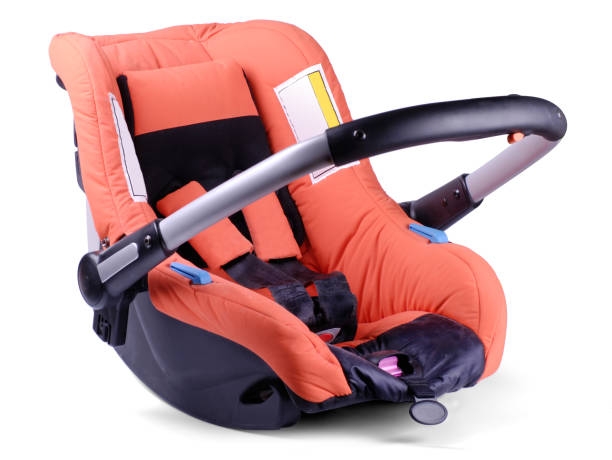
Baby Carrier Market is becoming increasingly competitive as brands seek to attract parents through innovative designs, improved functionality, comfortable materials, and distinctive styling. Consumers have access to a wide selection of carrying products, making product differentiation increasingly important. Brands are focusing on understanding changing parenting lifestyles and developing carriers that can accommodate different preferences. Comfort, adjustability, convenience, durability, and ease of cleaning are among the considerations shaping product development. Companies are also using digital channels to communicate product benefits and demonstrate usage. As competition increases, manufacturers are placing greater emphasis on innovation and customer experience to establish stronger relationships with parents and caregivers.
The evolving Top brands in Baby Carrier Market reflects the importance of product differentiation and consumer trust. Established and emerging brands are competing through design improvements, material innovation, product variety, and customer engagement. Brands that understand specific caregiver requirements can develop specialized solutions for travel, everyday use, outdoor activities, or different child development stages. Online reviews and social media discussions can also influence brand perception, making customer satisfaction particularly important. Companies are therefore investing in product education, digital communication, customer support, and improved retail experiences. These strategies can help brands establish credibility while responding to increasingly informed consumers.
Innovation in ergonomic construction is one of the major areas where brands compete. Parents expect carriers to provide appropriate support and comfortable weight distribution for both caregiver and child. Manufacturers are developing adjustable systems and supportive structures designed around different body types and carrying preferences. Breathable materials and improved ventilation can also contribute to comfort during longer periods of use. Product developers are increasingly considering how quickly caregivers can adjust straps, positions, and configurations. By improving usability, brands can make their products more appealing to busy parents. Ergonomic innovation is therefore becoming an important element of competition as consumers pay greater attention to comfort and practicality.
Brand identity and design are also becoming increasingly significant. Parents may want products that fit naturally into their personal style, encouraging companies to introduce contemporary colors, patterns, minimalist designs, and premium finishes. A strong visual identity can help brands stand out in crowded retail environments and online marketplaces. Packaging and product presentation can also influence consumer perceptions of quality. However, appearance must be supported by practical functionality and reliable construction. Brands that successfully combine attractive styling with comfort and usability can create stronger consumer appeal. This balance between aesthetics and performance is becoming increasingly important as baby carriers become part of everyday family lifestyles.
Digital engagement is transforming how brands communicate with consumers. Social media platforms, parenting blogs, video demonstrations, online communities, and e-commerce listings allow companies to reach consumers directly. Brands can use these channels to demonstrate product features, explain adjustment methods, share customer experiences, and provide educational information. Influencer and community-based marketing can also introduce products to specific consumer groups. At the same time, online reviews provide valuable feedback that can influence purchasing decisions. Companies therefore need to maintain consistent product quality and customer service across the entire consumer journey. Strong digital engagement can help brands build awareness and create more meaningful relationships with parents.
Retail strategy is another important competitive factor. Online marketplaces provide convenience and broad product access, while specialty stores allow consumers to examine carriers and understand how different designs fit. Some retailers may offer demonstrations or guidance that helps parents select suitable products. Brands can benefit from maintaining a balanced presence across digital and physical channels. Omnichannel strategies can provide consumers with flexibility while supporting stronger product visibility. Retail partnerships can also help brands reach new consumer segments. As purchasing behavior becomes increasingly hybrid, companies are focusing on creating consistent product information and customer experiences across multiple channels.
The future of the Baby Carrier Market will continue to be shaped by brand innovation, ergonomic development, digital engagement, product aesthetics, retail strategies, and customer experience. Companies that combine strong product performance with effective communication can strengthen their competitive position. Consumer expectations are likely to continue evolving toward products that are comfortable, adaptable, stylish, durable, and easy to use. Digital channels will remain important for education and brand discovery, while physical retail will continue providing opportunities for product interaction. As competition increases, successful brands will likely be those that understand diverse parenting lifestyles and translate those insights into practical, differentiated, and trustworthy products.
Q1. How do baby carrier brands differentiate their products?
Ans: Brands can differentiate through ergonomic design, materials, adjustability, aesthetics, portability, product variety, customer service, and educational support.
Q2. Why is digital marketing important for baby carrier brands?
Ans: Digital channels allow brands to demonstrate products, educate consumers, gather feedback, and communicate directly with parents.
Q3. Does product appearance influence purchasing?
Ans: Appearance can influence consumer interest, particularly when contemporary styling is combined with practical functionality and comfortable design.