English
 Arabic
 French
 Spanish
 Portuguese
 Deutsch
 Turkish
 Dutch
Dutch
 Italiano
 Russian
 Romaian
 Portuguese (Brazil)
 Greek
Greek
 Download Android App

IoT Identity Access Management (IAM) Market Size and Forecast (2026–2034)
Other |
2026-09-01 05:28:19
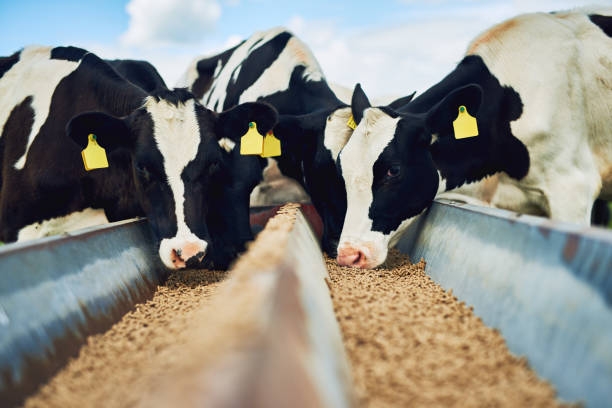
Europe Animal Feed Market is evolving as the livestock industry places greater emphasis on animal nutrition, feed quality, production efficiency, and sustainable farming practices. Feed plays an essential role in supporting livestock health, productivity, and overall farm management, making it a critical component of modern animal agriculture. European producers are increasingly focused on improving feed utilization while maintaining appropriate nutritional standards. Changing consumer expectations around food quality and sustainability are also influencing production practices. Feed manufacturers are responding through improved formulations, quality-control systems, and innovative production methods. These developments are creating a more technology-driven and sustainability-focused environment across the European animal feed industry.
The growing importance of European livestock nutrition solutions reflects increasing attention toward efficient and balanced feeding practices. Farmers and feed producers are focusing on nutritional approaches that can support animal wellbeing while improving farm efficiency. Feed formulations are becoming more specialized according to livestock categories, production systems, and nutritional requirements. Quality assurance is also gaining importance as producers seek consistency across feed products. Manufacturers are investing in research, testing, and formulation technologies to respond to changing agricultural needs. As European livestock production becomes increasingly professionalized, nutrition-focused feed solutions are expected to remain an important part of modern farm management.
Sustainability is becoming a significant consideration across the European animal agriculture sector. Farmers and feed manufacturers are exploring ways to improve resource efficiency while reducing unnecessary environmental impacts throughout production and supply chains. Efficient feed utilization can contribute to better resource management by helping producers make effective use of available agricultural inputs. Manufacturers are also examining sourcing practices, production processes, packaging, and transportation. Interest in alternative raw materials and circular approaches is encouraging innovation within feed manufacturing. These developments are creating opportunities for businesses that can combine nutritional performance with responsible production practices while meeting applicable European quality and regulatory requirements.
Technology is transforming feed production and farm-level management. Modern manufacturing facilities increasingly use automated systems to improve consistency, quality control, and production efficiency. Digital tools can also help farmers monitor feeding practices and livestock performance. Data-driven approaches may support better decision-making by allowing producers to identify patterns and adjust management strategies. Precision nutrition is gaining attention as the industry looks for ways to match feed characteristics with specific livestock requirements. These technologies can help improve operational efficiency while supporting more informed resource management. Continued investment in automation, analytics, and digital systems is expected to contribute to the modernization of Europe's animal feed ecosystem.
Feed safety and quality remain essential priorities for producers and manufacturers. European livestock businesses operate within established regulatory frameworks designed to support feed safety and protect the broader food production chain. Manufacturers are therefore emphasizing ingredient traceability, quality testing, storage practices, and production controls. Reliable documentation can help businesses maintain consistent standards throughout their operations. Farmers also increasingly value feed suppliers that can provide transparent information about product composition and quality. As consumers become more interested in food production practices, maintaining strong feed safety systems can support confidence throughout the livestock value chain. Quality management will therefore remain a fundamental competitive consideration.
Changing livestock production practices are also influencing feed demand. European farmers operate diverse systems ranging from intensive commercial operations to specialized and smaller-scale farms. Different production models require different feeding approaches and management strategies. This diversity creates opportunities for manufacturers to develop specialized products suited to different livestock categories and farming conditions. Feed companies are also working closely with distributors, agricultural professionals, and producers to better understand changing requirements. Collaboration across the supply chain can encourage product development and improve access to technical knowledge. As European agriculture continues adapting to environmental, economic, and consumer pressures, flexible feed solutions will remain increasingly valuable.
The future of the Europe Animal Feed Market will be shaped by nutrition innovation, sustainability, digital agriculture, feed safety, specialized formulations, and changing livestock production practices. Manufacturers that combine quality with efficient and responsible production can respond effectively to evolving customer expectations. Technological advances may further improve feed manufacturing and farm management, while sustainability initiatives can encourage more efficient resource utilization. Consumer interest in responsible food production is also likely to influence industry priorities. As European livestock producers seek reliable ways to improve productivity and animal wellbeing, the animal feed sector will continue developing through innovation, quality management, and sustainable approaches to modern livestock nutrition.
Q1. What is influencing the Europe Animal Feed Market?
Ans: Livestock nutrition, feed safety, sustainability, technological development, specialized formulations, and changing farming practices are key influences.
Q2. Why is feed quality important?
Ans: Consistent feed quality supports reliable livestock nutrition, farm management, production practices, and confidence throughout the agricultural supply chain.
Q3. How is technology affecting animal feed production?
Ans: Automation, digital monitoring, data analytics, and precision approaches are helping improve manufacturing consistency and farm-level decision-making.