English
 Arabic
 French
 Spanish
 Portuguese
 Deutsch
 Turkish
 Dutch
Dutch
 Italiano
 Russian
 Romaian
 Portuguese (Brazil)
 Greek
Greek
 Download Android App

Apple Seed Oil Market Expands With Sustainable Wellness Demand
Food |
2026-08-07 11:37:50
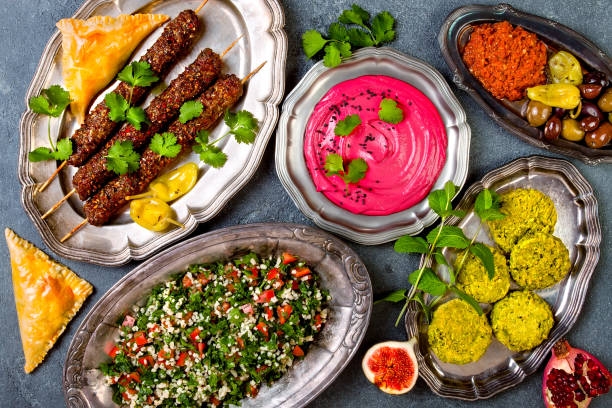
Ethnic Food Market is experiencing continued development as multicultural communities and changing consumer preferences create greater demand for diverse culinary experiences. Traditional foods associated with different countries and regions are becoming increasingly familiar to consumers through restaurants, retail stores, travel, entertainment, and digital media. This exposure is encouraging households to incorporate international dishes into their regular meal routines. Food companies are responding by expanding product portfolios inspired by regional cuisines and traditional preparation methods. The increasing availability of culturally diverse food products is helping consumers explore unfamiliar tastes while creating opportunities for producers to connect traditional culinary heritage with contemporary eating habits.
One of the important trends influencing this space is the growing preference for convenient products that retain distinctive regional characteristics. Consumers want food that can fit easily into busy schedules without completely sacrificing flavor or cultural identity. The development of traditional cuisine food products allows manufacturers to provide convenient meal options inspired by established culinary traditions. These products can help consumers experience regional flavors through packaged meals, frozen offerings, snacks, sauces, and other convenient formats. The combination of accessibility and cultural familiarity is helping ethnic food products appeal to both consumers who regularly enjoy specific cuisines and those discovering them for the first time.
Migration and multicultural communities are contributing significantly to the wider availability of ethnic foods. As people move between countries and regions, they often maintain culinary traditions and introduce familiar dishes to new communities. Restaurants, specialty stores, community markets, and food festivals can help preserve these traditions while introducing them to broader audiences. Over time, dishes that were once associated with specific cultural communities can become more widely recognized. This cultural exchange is supporting the expansion of international cuisines and encouraging food companies to develop products that reflect the diverse preferences of modern consumers.
Restaurants and foodservice businesses are also playing an important role in increasing consumer exposure to ethnic cuisine. Dining establishments can introduce authentic regional dishes as well as contemporary interpretations designed for local audiences. Fusion cuisine is becoming particularly influential as chefs combine ingredients, preparation methods, and flavors from different culinary traditions. These experiences can encourage consumers to explore additional international foods at home. Food delivery platforms have further increased access to ethnic meals by allowing consumers to order dishes from restaurants located beyond their immediate neighborhoods. This convenience is strengthening the connection between consumers and diverse food cultures.
Digital media has become a powerful platform for discovering ethnic foods and learning about traditional culinary practices. Food creators, chefs, restaurants, and home cooks regularly share recipes, preparation techniques, cultural stories, and dining experiences online. Visual content can make unfamiliar dishes more appealing by showing how they are prepared and served. Consumers can also learn about regional food traditions without traveling to the countries where those cuisines originated. This digital exposure is helping create curiosity and encouraging experimentation. Food brands are increasingly using digital storytelling to communicate heritage, preparation methods, and cultural inspiration.
Retailers are adapting to this growing interest by expanding the range of international food products available to consumers. Supermarkets can dedicate sections to specific cuisines, while specialty retailers may focus on products associated with particular countries or regions. Private-label brands are also exploring international flavors to provide consumers with accessible options. Packaging plays an important role because clear labeling, preparation instructions, and cultural information can help consumers understand unfamiliar products. Better retail visibility can encourage trial and help ethnic food products reach consumers who may not traditionally purchase them.
The future of the Ethnic Food Market will continue to be shaped by multicultural societies, foodservice innovation, digital discovery, retail expansion, and consumer interest in authentic experiences. Food manufacturers can benefit by maintaining respect for culinary traditions while offering convenient formats that suit contemporary lifestyles. Consumers are increasingly comfortable experimenting with unfamiliar cuisines, which is broadening the potential audience for regional foods. Continued innovation in packaging, distribution, meal formats, and digital engagement will help strengthen accessibility. As global food culture continues to evolve, ethnic cuisine is expected to remain an influential part of consumer food choices.
Q1. How does multiculturalism affect ethnic foods?
Ans: Multicultural communities help preserve traditional cuisines while introducing regional dishes and flavors to wider consumer groups.
Q2. What role do restaurants play in ethnic cuisine?
Ans: Restaurants provide consumers with opportunities to experience authentic dishes and contemporary interpretations of international cuisines.
Q3. How does social media influence ethnic food consumption?
Ans: Social media increases awareness by sharing recipes, cultural stories, food reviews, preparation techniques, and visually engaging culinary content.